

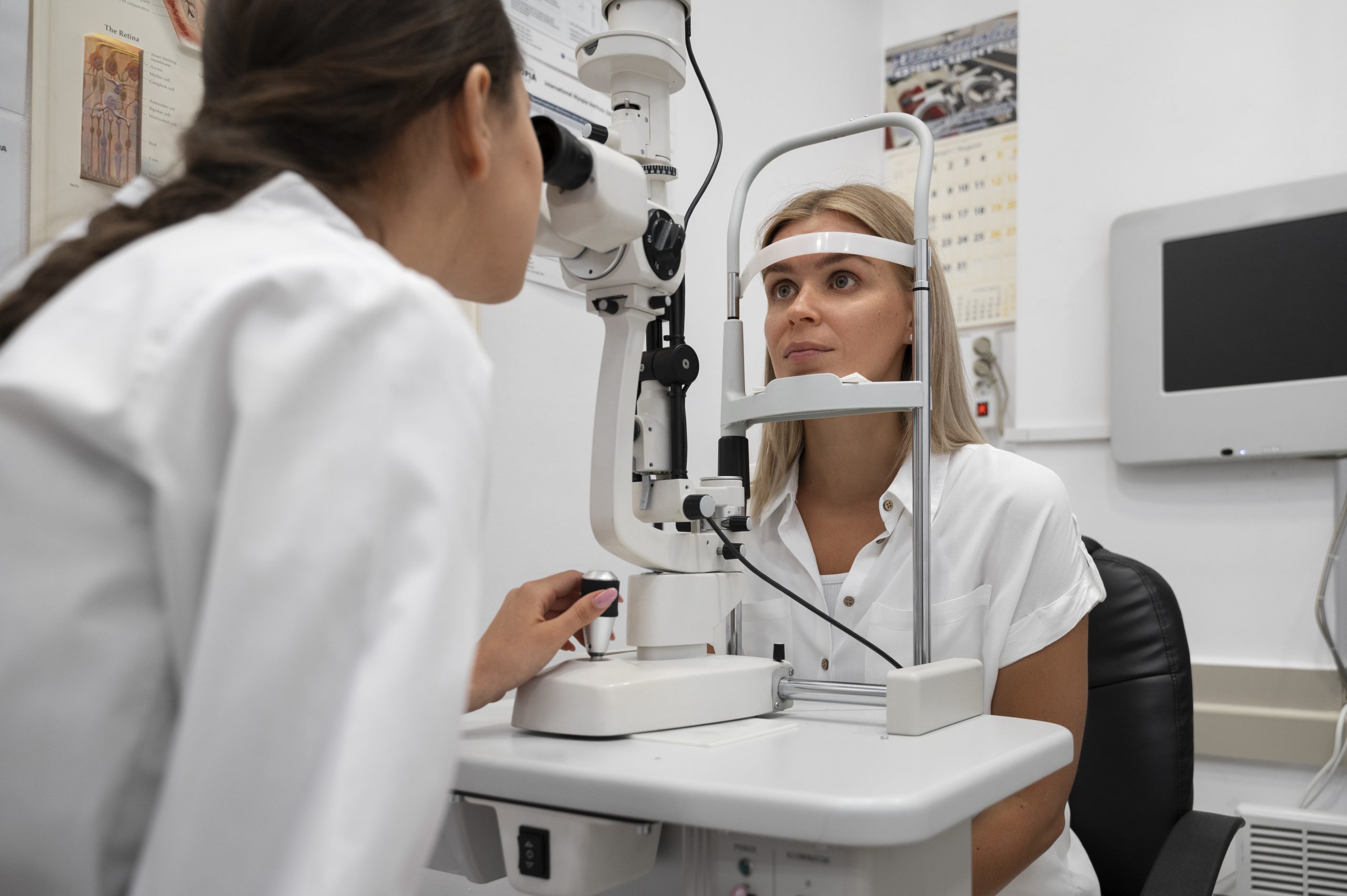
When was the last time you had your eyes checked?
If you are squinting to remember, you are not alone. Most of us book a dentist appointment twice a year without thinking twice, but eye exams? They get pushed to “someday.” The trouble is, your eyes rarely wave a red flag before something goes wrong. By the time you notice blurry vision or headaches, an underlying issue may have been quietly developing for months, sometimes years.
That’s exactly why an annual eye exam from the best eye hospital in Kolkata isn’t just a good idea; it’s one of the simplest things you can do for your long-term health.
Your Eyes Don’t Always Ask for Help
Conditions like glaucoma, diabetic retinopathy, and early-stage cataracts often develop without any noticeable symptoms. There is no ache, no discomfort, no obvious sign that anything is wrong. A routine dilated eye exam is often the only way to catch these problems while they are still easy to manage. Catch a condition early, and treatment is usually simpler, cheaper, and far less stressful than dealing with advanced vision loss later.
It’s Not Just About Your Eyes
Here’s something a lot of people don’t realise: an eye exam can reveal clues about your overall health. Ophthalmologists can often spot early signs of diabetes, high blood pressure, and even certain autoimmune conditions just by examining the blood vessels at the back of your eye. In a city like Kolkata, where lifestyle diseases are on the rise, your annual eye check is almost like a mini full-body health screening.
Why Age Changes the Game
Eye care isn’t one-size-fits-all. Your needs shift as you move through life:
- Children and teens need regular screenings to catch issues like lazy eye or refractive errors early, since these are far easier to correct in growing years.
- Adults in their 20s and 30s dealing with screen-heavy jobs often develop digital eye strain, dryness, and early vision fatigue.
- Adults 40 and above should watch for presbyopia that annoying moment when your arms suddenly feel “too short” to read a menu and the early markers of glaucoma.
- Seniors face a higher risk of cataracts, macular degeneration, and diabetic eye complications, making yearly monitoring essential.
Skipping exams at any of these stages means missing the window where intervention is easiest.
Kolkata’s Environment Adds Its Own Challenges
Between pollution, dust, humidity, and long hours spent on phones and laptops, Kolkata residents face a fair share of eye stress. Add in the city’s growing diabetes and hypertension rates, and regular monitoring becomes even more important. Choosing the best eye hospital in Kolkata for your annual check-up ensures you receive accurate diagnostics, access to experienced specialists, and modern equipment that can detect problems a routine clinic visit might miss.
Making It a Habit, not a One-Time Thing
The real value of eye exams comes from consistency. A single check-up gives you a snapshot; annual visits give your doctor a timeline. That history helps specialists notice subtle changes year over year, changes that might otherwise slip under the radar.
So, if it’s been a while, take this as your nudge. Book that appointment, bring your family along, and make eye check-ups a yearly ritual rather than an afterthought. Your future self will thank you.
Call Now: 033 2527 2527
FAQs
- How often should I really get my eyes checked?
Most adults benefit from an annual exam, while children, seniors, and people with diabetes or a family history of eye disease may need more frequent visits.
- I don’t wear glasses -do I still need an eye exam?
Yes. Many serious conditions like glaucoma have no early symptoms and can’t be caught without a professional exam, regardless of your vision quality.
- What should I look for when choosing an eye hospital?
Look for qualified specialists, updated diagnostic technology, transparent pricing, and positive patient reviews- all hallmarks of a reliable, well-equipped facility.
- Are digital screens really damaging my eyes?
Screens don’t cause permanent damage, but they do contribute to digital eye strain, dryness, and fatigue, especially without regular breaks and proper lighting.


