

Ruma Banerjee (name changed for privacy) didn’t think much of it at first. A little haziness while reading the newspaper. The occasional dull ache behind her right eye after a long day at work. She was 52; she told herself that it might be her tired eyes.
She was wrong, and her story, though details have been changed to protect privacy, mirrors what eye specialists across Kolkata see every single week. It’s a story about glaucoma treatment in Kolkata, the disease often called “the silent thief of sight,” and about how the city’s treatment options are helping patients like her hold on to their vision.
Table of Contents
The Case: When “Just Tired Eyes” Turned Out to Be Something Else
Ruma’s ophthalmologist in Kolkata had asked a simple, almost throwaway question during a routine check-up: “Any family history of eye pressure problems?” Her mother, it turned out, had lost peripheral vision in her sixties, something the family had always chalked up to “old age eyes.”
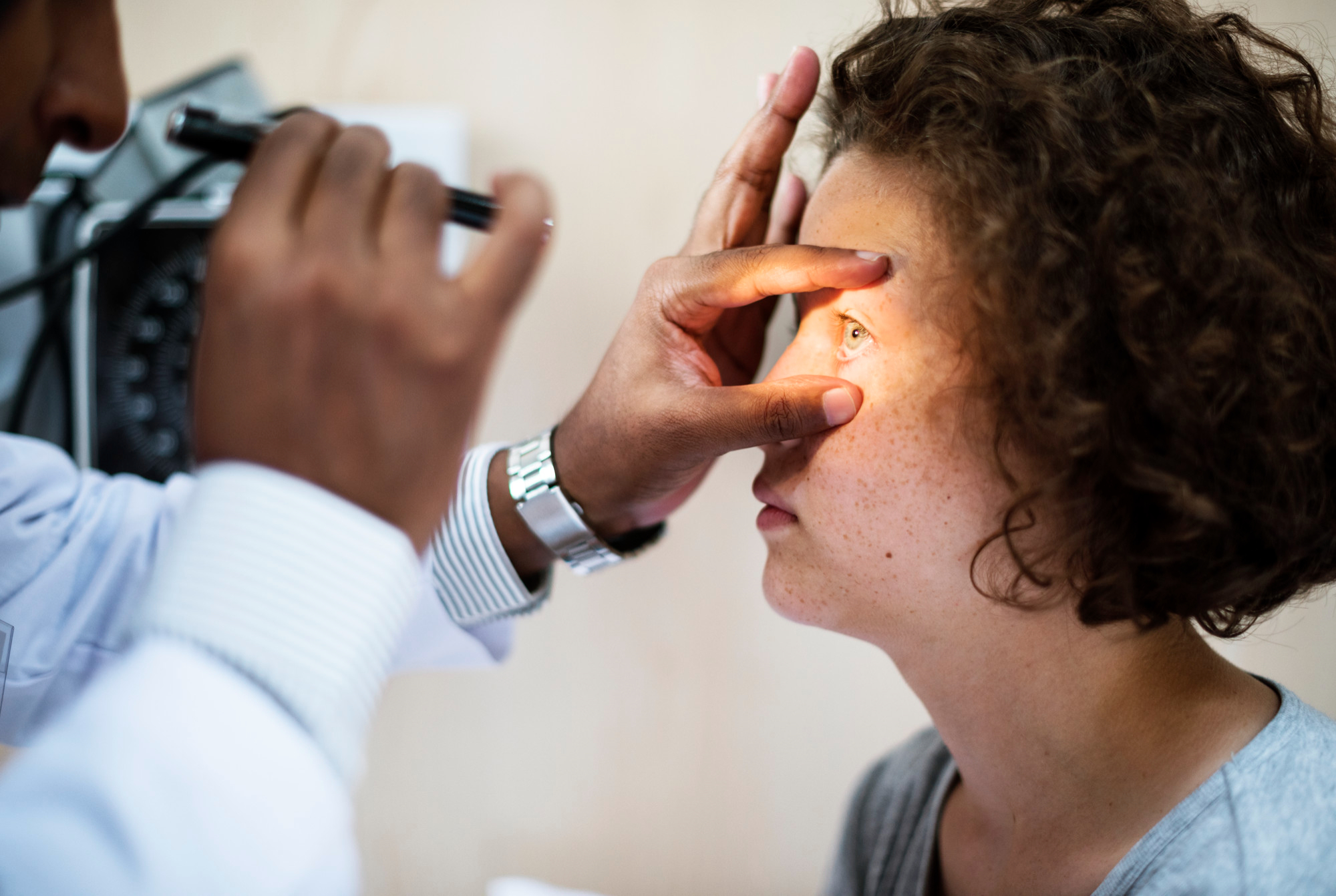
That single question triggered a proper glaucoma workup: eye pressure measurement (tonometry), an examination of the optic nerve, visual field testing, and OCT (optical coherence tomography) imaging to check the thickness of her retinal nerve fibres.
The results were sobering. Ruma had early-stage primary open-angle glaucoma. Her intraocular pressure was elevated, and there was already subtle, early damage to her optic nerve, the kind that doesn’t announce itself with pain or obvious blur until real vision is lost.
The good news? Caught early, glaucoma is manageable. It rarely reverses damage already done, but it can almost always be stopped from progressing further, especially with the range of treatments now available in Kolkata’s eye care centres.
What Glaucoma Treatment in Kolkata Actually Looks Like
Kolkata has grown into a genuine hub for eye care, with government institutes and private super-speciality eye hospitals offering nearly the full spectrum of modern glaucoma management.
Here’s how Ruma’s treatment journey unfolded, step by step.
- Medicated Eye Drops
Ruma was started on prostaglandin analogue eye drops, the most common first-line treatment for open-angle glaucoma. These improve fluid drainage from the eye, lowering the pressure that damages the optic nerve. She was taught the correct technique: one drop, gentle pressure on the tear duct, waiting a few minutes between different medications, small details that make a real difference in how well the treatment works.
2. Regular Monitoring
Every eight to twelve weeks, she returned for pressure checks and periodic visual field tests. This monitoring is arguably as important as the treatment itself, since glaucoma management is about tracking trends over months and years, not just a single reading.
3. Laser Treatment When Needed
For some patients whose pressure doesn’t respond well enough to drops alone, Kolkata’s eye centres offer Selective Laser Trabeculoplasty (SLT). This quick, outpatient laser procedure improves the eye’s natural drainage. It’s often used either as an alternative to drops or alongside them.
4. Surgical Options for Advanced Cases
When medication and laser aren’t enough, surgical procedures like trabeculectomy or minimally invasive glaucoma surgery (MIGS) create new drainage pathways for eye fluid. These are typically reserved for moderate-to-advanced cases, and Kolkata’s tertiary eye hospitals are well-equipped to perform them.
Ruma, fortunately, responded well to eye drops and lifestyle adjustments, and hasn’t needed laser or surgical intervention. Her pressure has stayed controlled for over a year now.
The Lifestyle Piece Nobody Talks About Enough
Her doctor also nudged her toward small daily habits: staying hydrated in moderate amounts rather than gulping large quantities of water at once (which can spike eye pressure), avoiding excessive caffeine, managing stress, and sleeping with her head slightly elevated. None of these replaces medical treatment, but they support it.
Why Early Detection Is the Real Hero of This Story
What saved Ruma’s vision wasn’t a dramatic surgery- it was a routine eye exam and a doctor who asked the right question. Glaucoma typically has no early symptoms. By the time someone notices vision loss, a significant portion of the optic nerve may already be damaged, and that damage is permanent.
This is why eye care specialists across Kolkata increasingly recommend a baseline glaucoma screening for anyone over 40, or earlier if there’s a family history, diabetes, high myopia, or previous eye injury.
Key Takeaways from Ruma’s Journey
- Glaucoma often has zero symptoms until damage is already done
- Family history matters- mention it at every eye check-up
- Eye drops are highly effective for many patients when used correctly and consistently
- Laser and surgical options exist for Glaucoma treatment in Kolkata for cases that need more than medication
- Regular monitoring is not optional- it’s how treatment gets adjusted over time
Click here to learn more about eye health and treatment options.
It’s Time to Prioritise your Vision…
FAQ
- Can glaucoma be cured completely?
No, glaucoma currently cannot be cured, but it can be effectively controlled. The goal of treatment is to lower eye pressure enough to prevent further damage to the optic nerve. Vision already lost usually cannot be restored, which is why early diagnosis matters so much.
- At what age should I start getting screened for glaucoma?
Most eye specialists recommend a baseline glaucoma screening from age 40 onward, or earlier if you have diabetes, high blood pressure, a family history of glaucoma, or significant nearsightedness. People with a family history are often advised to start screening in their 30s.
- Are glaucoma eye drops a lifelong commitment?
For most patients with chronic glaucoma, yes, the drops need to be used consistently, often for life, to keep eye pressure under control. Stopping them without medical guidance can allow pressure to rise again and cause further optic nerve damage.
- Is glaucoma surgery painful or risky?
Modern glaucoma surgeries, including MIGS (minimally invasive glaucoma surgery), are generally safe outpatient or short-stay procedures performed under local anaesthesia, with most patients experiencing only mild discomfort afterwards. As with any surgery, your ophthalmologist will walk you through specific risks based on your case before proceeding.


